When Hades launched, it didn’t just become a hit—it became a benchmark. Praised for its fast combat, unforgettable characters, and storytelling woven directly into gameplay, the original Hades set expectations incredibly high. Making a sequel to such a beloved indie game is one of the hardest challenges a studio can face. Yet Hades II doesn’t just meet expectations—it redefines what an indie sequel should be.
Rather than playing it safe or simply expanding the original formula, Supergiant Games approached Hades 2 with confidence, restraint, and creativity. The result is a sequel that respects its legacy while boldly carving out its own identity. That careful balance is exactly why many gamers now view Hades 2 as the gold standard for indie sequels.
A New Protagonist With a Purpose
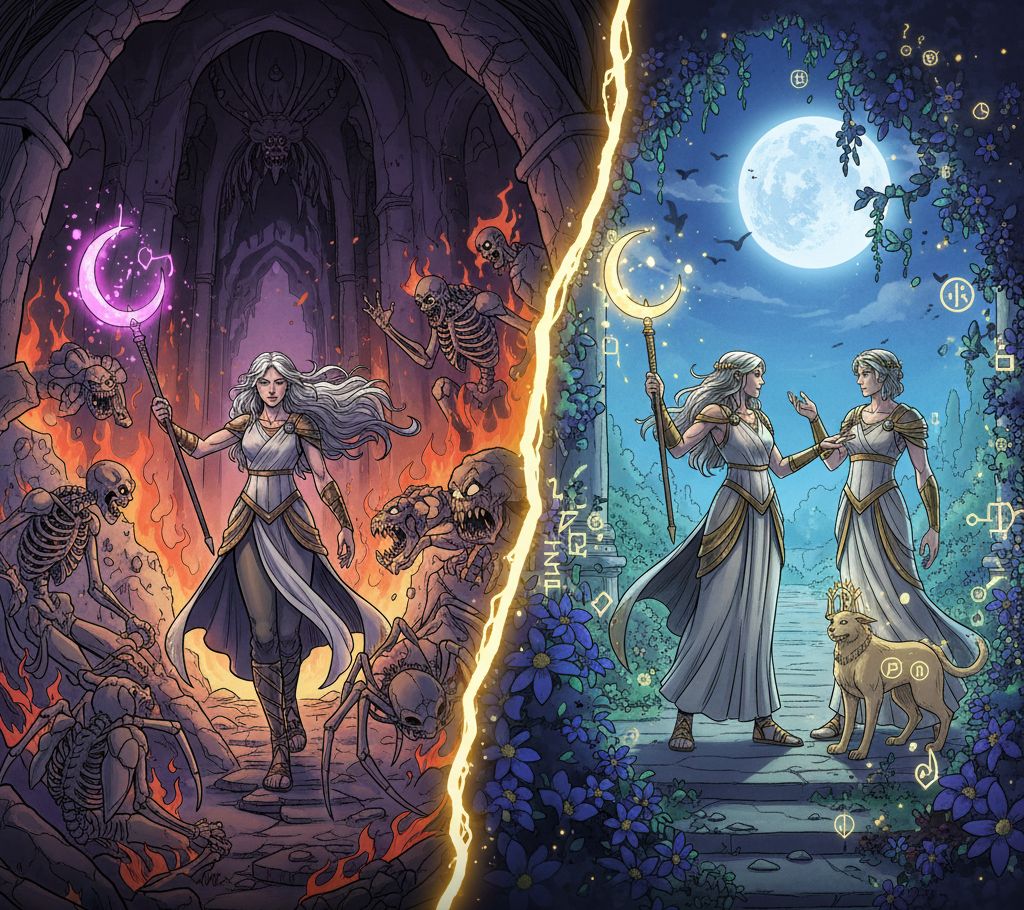
One of the smartest decisions in Hades 2 is the shift in perspective. Instead of continuing Zagreus’s story, players take control of Melinoë, Princess of the Underworld and goddess of witchcraft. This change immediately gives the sequel emotional and narrative breathing room.
Melinoë is not a replacement—she is her own character with her own motivations, struggles, and tone. Her journey feels darker, more focused, and deeply personal. For players, this means the story feels fresh rather than recycled, while still remaining firmly rooted in the same mythological universe.
Gamers often search for whether Hades 2’s story lives up to the original, and the answer is clear: it doesn’t copy it—it evolves it.
Storytelling That Rewards Every Run
Hades 2 continues one of Supergiant’s greatest strengths: narrative progression through repetition. Every run, win or lose, moves the story forward. New dialogue, character interactions, and lore unfold naturally, making failure feel meaningful instead of frustrating.
The writing remains sharp, emotional, and often surprisingly warm. Gods, allies, and enemies all feel alive, with voice acting that adds depth and personality to every encounter. The game never rushes its story, allowing players to uncover it piece by piece, which keeps long-term engagement strong.
For gamers who value story in roguelikes, Hades 2 proves that narrative and replayability don’t have to compete—they can enhance each other.
Combat That Feels Familiar Yet Completely New
Combat is one of the most searched aspects of Hades 2, and for good reason. While the core structure feels familiar, the execution is noticeably different. Melinoë’s combat style leans more toward magic, timing, and positioning, offering a contrast to Zagreus’s aggressive, melee-focused approach.
Weapons feel distinct, purposeful, and flexible. Each one supports multiple playstyles, encouraging experimentation rather than forcing a “correct” build. Boons synergize in creative ways, allowing players to craft runs that feel personal and strategic.
Importantly, the combat never feels bloated. Every mechanic has a reason to exist, and every addition serves the pacing of the game. This thoughtful refinement is a major reason Hades 2 stands out as a sequel done right.
Enemy and Boss Design With Meaning
Another reason Hades 2 earns its reputation is enemy design. Enemies don’t just exist to slow you down—they reinforce the game’s themes of fate, time, and resistance. Their movement patterns feel unpredictable but fair, keeping combat tense without becoming frustrating.
Boss fights deserve special mention. Each major encounter feels like a narrative event as much as a mechanical challenge. Music, dialogue, and visual design all work together to make these moments memorable. Losing a boss fight rarely feels cheap; instead, it motivates you to adapt and try again.
This balance between difficulty and fairness is something gamers consistently praise—and something many sequels struggle to achieve.
Art Direction That Refines, Not Reinvents
Supergiant Games has always been known for its art direction, and Hades 2 pushes that reputation even further. The hand-painted style remains instantly recognizable but feels more refined, more expressive, and more atmospheric.
Character designs are striking, environments are richly detailed, and animations flow with elegance and clarity. Visual effects during combat enhance readability rather than cluttering the screen, which is crucial in fast-paced roguelike gameplay.
For players, this means Hades 2 looks stunning without sacrificing performance or clarity—a rare achievement even among AAA titles.
Soundtrack and Audio That Elevate the Experience
Hades 2’s music is another standout feature gamers frequently search about. The soundtrack builds on the original’s style while introducing darker, more mystical tones that fit Melinoë’s journey perfectly.
Music adapts to combat intensity, boss encounters, and story moments, enhancing emotional impact without overwhelming the player. Voice acting remains top-tier, delivering performances that feel natural, expressive, and memorable.
Together, sound and music don’t just support gameplay—they elevate it.
Meaningful Progression Without Grinding
One of the biggest fears with sequels is unnecessary complexity. Hades 2 avoids this by expanding progression systems carefully. Meta-upgrades offer meaningful choices, encouraging long-term planning rather than endless grinding.
Resources feel valuable but not restrictive. Players are rewarded for experimentation and exploration, not punished for playing differently. This respect for player time is a huge reason why Hades 2 feels so polished and welcoming.
Whether you play in short sessions or long marathons, progression always feels satisfying.
Early Access Done the Right Way
Hades 2’s Early Access approach has been widely praised by the community. Instead of releasing an unfinished product, Supergiant treated Early Access as a collaborative process. Updates are frequent, transparent, and clearly informed by player feedback.
Gamers searching for whether Hades 2 is “worth playing now” consistently find the same answer: yes. The game feels complete enough to enjoy while still improving with every update.
This trust between developer and player further solidifies Hades 2’s reputation as a model sequel.
Why Hades 2 Sets the Gold Standard
Hades 2 succeeds because it understands what a sequel should be. It doesn’t chase trends. It doesn’t inflate features for marketing. Instead, it focuses on:
-
Respecting the original
-
Expanding systems thoughtfully
-
Delivering polish and personality
-
Listening to its community
Every design choice feels intentional, and every improvement feels earned.
Final Thoughts
Hades 2 proves that indie sequels don’t need bigger budgets or radical reinvention to succeed. They need clarity of vision, respect for players, and the courage to evolve without losing identity. By delivering deeper storytelling, refined combat, stunning presentation, and meaningful progression, Hades 2 sets a standard that future indie sequels will be measured against.
For fans of the original and newcomers alike, Hades 2 isn’t just a worthy follow-up—it’s a masterclass in how to build on success while creating something genuinely new.