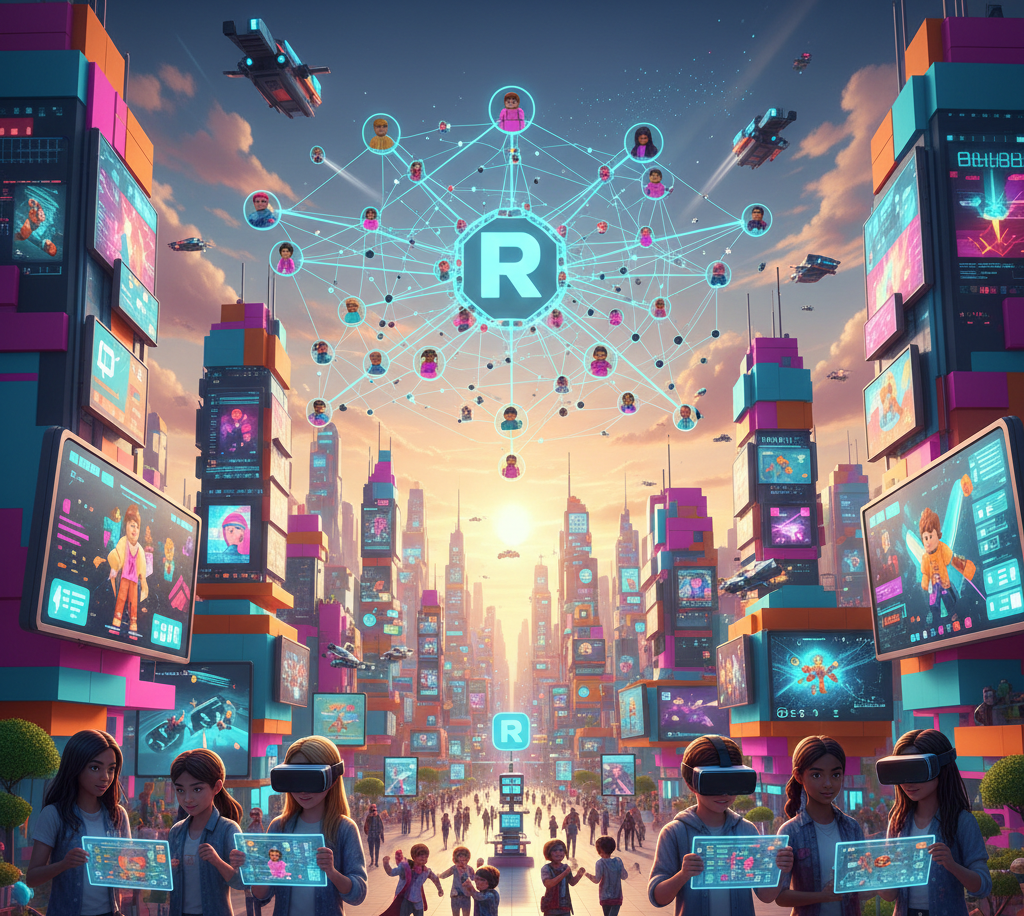
In an age dominated by social media giants and emerging virtual platforms, one name has risen above the rest in a way few saw coming: Roblox. What began as a kid-friendly game creation space has evolved into a thriving social universe—so much so that by 2026, Roblox isn’t just a game; it’s one of the largest social networks on the planet.
But how did Roblox, a platform once defined by blocky graphics and simple minigames, become a social network powerhouse that attracts millions of players daily? Let’s dive into the story of the Roblox Renaissance—the explosion of culture, creativity, and community that transformed it into one of 2026’s most influential digital spaces.
A Platform Built on Player Creativity
One of Roblox’s greatest strengths has always been its user-generated content (UGC) ecosystem. Unlike traditional games with rigid structures, Roblox empowers its community to build, share, and monetize their own experiences. This freedom has led to a staggering variety of games and virtual worlds—everything from obstacle courses and racing games to fully immersive storytelling adventures.
But beyond sheer variety, it’s the social nature of creation that sets Roblox apart. Players don’t just consume content—they collaborate on it. Builders and developers work together, form teams, and create entire universes that feel as alive and dynamic as any professional game studio’s works.
This democratization of game development ensures that content never gets stale. There’s always something new to explore, and that constant cycle of creation feeds both play and social connection.
A Hub for Global Friendship and Communication
By 2026, Roblox’s social features have expanded far beyond chat bubbles and friend lists. Developers and the platform itself introduced systems that make connecting with others seamless and fun. Private voice chat, group experiences, and event calendars are now staples in the Roblox social ecosystem.
Players can:
-
Join community hubs based on interests
-
Attend live virtual events and meetups
-
Collaborate on creations in real time
-
Host group game nights with friends around the world
You can be speed-running an obstacle course with a friend from Tokyo, coordinate a fashion show with someone in São Paulo, or attend a virtual concert alongside thousands of others—all in one platform.
This social depth means Roblox isn’t just about playing games—it’s about living inside a connected world that mirrors real-life interactions in fun and engaging ways.
Next-Level Virtual Events and Communities
Roblox’s transformation into a social network wasn’t just organic—it was intentional. The platform leaned into virtual events long before 2026 became known for them. Roblox now hosts concerts, holiday celebrations, community conventions, and brand collaborations that rival those on other social platforms.
Major artists and brands step into Roblox to connect directly with fans, creating interactive experiences that go beyond music or marketing. You don’t just watch a concert—you play through it, explore themed worlds, and socialize with other attendees in real time.
Seasonal events tie deeply into the community’s calendar, too. From summer festivals to spooky Halloween challenges, there’s always something happening—and that brings people back again and again.
A Culture That Welcomes Everyone
One of Roblox’s biggest achievements is how it balances fun with inclusivity. The platform reaches diverse audiences—kids, teens, and adults alike—without feeling niche or exclusive. Roblox’s social systems allow players to tailor their interactions, find like-minded communities, and build meaningful friendships at their own pace.
Safety tools have evolved alongside social features, giving players and parents control over who they connect with and how they communicate. This balance of openness and moderation has helped Roblox grow responsibly as a global social space.
Roblox as a Social Discovery Engine
By 2026, Roblox isn’t just where you make friends—you discover them. The platform’s recommendation systems suggest experiences and communities based on interests, past activity, and social circles. If you love virtual fashion shows, Roblox will connect you with others who do too. If survival challenge games are your thing, you’ll find groups hosting them daily.
This discovery-based social model mimics—and in many ways outshines—traditional social networks. Rather than being served endless feeds of generic content, Roblox introduces you to new people, new experiences, and fresh adventures that align with what you’re genuinely interested in.
That’s a big part of what keeps users engaged for hours every day.
Monetization That Empowers Creators
Roblox’s economy isn’t just fun—it’s rewarding. The platform’s currency, Robux, allows creators to earn real income from their work. Skilled developers, builders, and UGC designers can turn their creativity into revenue, fueling even more ambitious projects and strengthening the content ecosystem.
This creator-first model motivates talented users to stay, build, and innovate. As a result, Roblox’s content library continues to expand exponentially, attracting players who want the latest and greatest experiences.
The financial success stories of Roblox creators also inspire new talent to join the platform, ensuring that the community keeps growing in both quality and diversity.
The Power of Shared Social Space
What truly makes Roblox stand out is its social gravity—the way it pulls people together and gives them places to be, to meet, and to belong.
Unlike traditional social media where interaction happens through feeds or messages, Roblox turns social interaction into shared activities. You’re not just commenting about a concert; you’re attending it together. You’re not just chatting with friends—you’re competing, creating, and exploring with them.
This shift from passive scrolling to active participation has helped Roblox become more than a game platform—it’s a living social universe.
Why Roblox Leads in 2026
So why is Roblox considered one of the biggest social networks in 2026? It comes down to this:
-
Creative freedom: Users are both consumers and creators.
-
Social depth: Real connections happen through shared experiences, not just text.
-
Inclusive community: Players from around the world find places they belong.
-
Event-centric engagement: Unique, participatory events drive community interaction.
-
Thriving economy: Creators can earn while they build.
Each of these elements reinforces the others, creating a network effect that keeps players engaged and connected.
What This Means for Gamers and Beyond
For gamers, Roblox isn’t just a destination for fun—it’s a place to belong. Whether you’re into building, exploring, competing, or socializing, Roblox’s ecosystem offers something for everyone.
And for the broader digital world, Roblox’s rise signals a new model of social interaction—one rooted in active participation, shared experiences, and user empowerment.
2026 belongs to platforms that don’t just host interactions, but host relationships. Roblox has done both—and it’s only just getting started.
Final Thoughts
The Roblox Renaissance shows that a platform’s true power lies not in how many users it has, but in how deeply those users connect. By turning play into social connection, creation into community, and events into shared memories, Roblox has reinvented what it means to be a social network in the 2020s.