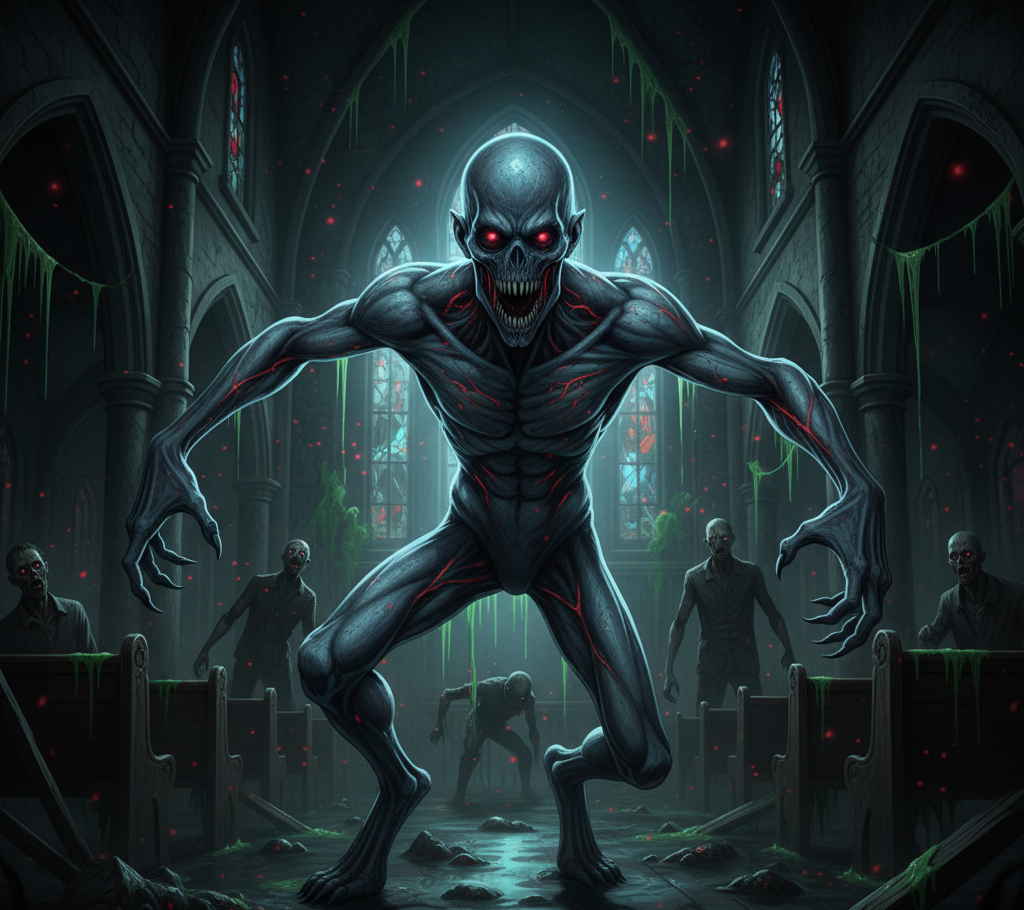
Fear has always been at the heart of Resident Evil, but Resident Evil: Requiem takes that fear and reshapes it into something slower, heavier, and far more psychological. Rather than relying on constant action or jump scares alone, this entry leans into dread—the kind that settles in your chest and refuses to leave. For longtime fans and newcomers alike, Requiem feels like the franchise embracing pure horror again, and doing so with modern confidence.
Here’s why many gamers are already calling Resident Evil: Requiem the scariest chapter the series has ever delivered.
Horror That Lives in Silence, Not Just Screams
One of the most unsettling aspects of Resident Evil: Requiem is how comfortable it is with silence. The game doesn’t rush to scare you. Long, quiet corridors, distant ambient noises, and moments where nothing happens at all create a constant sense of unease.
You start anticipating danger even when none appears—and that’s where the fear truly begins. This design choice reflects a mature understanding of horror: what you expect is often scarier than what you actually see.
The sound design amplifies this tension. Footsteps echo unnaturally, doors creak with weight, and subtle background sounds make you question whether you’re alone. Fear becomes psychological, not just reactive.
A Darker, More Personal Story
Resident Evil: Requiem doesn’t focus on saving the world. Instead, it pulls the player into a deeply personal narrative filled with guilt, loss, and unresolved trauma. The story unfolds slowly, revealing fragments rather than answers, which makes every discovery feel disturbing rather than satisfying.
This emotional weight adds a new layer to the horror. You’re not just afraid of monsters—you’re afraid of the truth behind them.
By grounding the narrative in human suffering and moral ambiguity, Requiem makes its horror feel intimate. It’s no longer about surviving zombies; it’s about confronting what survival costs.
Helplessness Is Back—and It’s Terrifying
Earlier Resident Evil games eventually turned players into well-armed survivors. Requiem reverses that power fantasy. Ammunition is scarce, healing items are precious, and avoiding enemies is often smarter than fighting them.
This constant vulnerability forces players to think carefully about every move. Do you explore that dark hallway for supplies, or save your strength? Do you fight—or hide and hope the threat passes?
Fear grows stronger when you know you can’t rely on firepower. Requiem understands this perfectly.
Enemy Design That Feels Unnatural and Unpredictable
The creatures in Resident Evil: Requiem aren’t just grotesque—they’re unsettling in how they behave. Movements feel wrong, patterns are inconsistent, and encounters rarely play out the same way twice.
Some enemies stalk rather than attack. Others observe from a distance, creating paranoia instead of immediate danger. This unpredictability keeps players constantly alert, never fully comfortable even in familiar spaces.
You’re not just fighting monsters—you’re being hunted.
Environments That Actively Work Against You
The game’s locations feel hostile by design. Narrow spaces restrict movement, lighting is intentionally limited, and the environment itself often becomes part of the threat.
Locked doors, collapsing structures, and disorienting layouts make exploration stressful. Even safe rooms feel temporary, fragile, and vulnerable.
Every area tells a story, often without words, and the deeper you go, the heavier the atmosphere becomes.
Modern Technology, Old-School Fear
Powered by advanced engine technology, Requiem uses realistic lighting, facial animations, and environmental detail to blur the line between game and nightmare. Shadows behave naturally, reflections distort reality, and character expressions convey fear in a way that feels disturbingly real.
Yet despite this technical leap, the game’s philosophy feels old-school—focused on tension, pacing, and atmosphere rather than spectacle.
It’s a rare balance: modern presentation with classic survival-horror soul.
Less Action, More Consequences
Every choice in Resident Evil: Requiem carries weight. Waste resources, and you’ll feel it later. Miss a clue, and confusion sets in. The game respects the player enough not to hold their hand, which makes success feel earned—and failure deeply uncomfortable.
This design encourages immersion. You’re not playing through fear; you’re living inside it.
Why It Feels Scarier Than Any Resident Evil Before
What truly sets Requiem apart is restraint. It doesn’t overwhelm you with enemies or explosions. Instead, it slowly tightens its grip, building dread layer by layer until fear feels constant and unavoidable.
It understands that horror isn’t about volume—it’s about vulnerability, uncertainty, and emotional tension.
Final Thoughts
Resident Evil: Requiem feels like the franchise at its most confident and most terrifying. By focusing on atmosphere, psychological horror, and player vulnerability, it delivers fear that lingers long after the screen goes dark.
For gamers who believe true horror is about what stays with you—not what makes you jump—Requiem stands as the most disturbing, mature, and frightening Resident Evil experience yet.