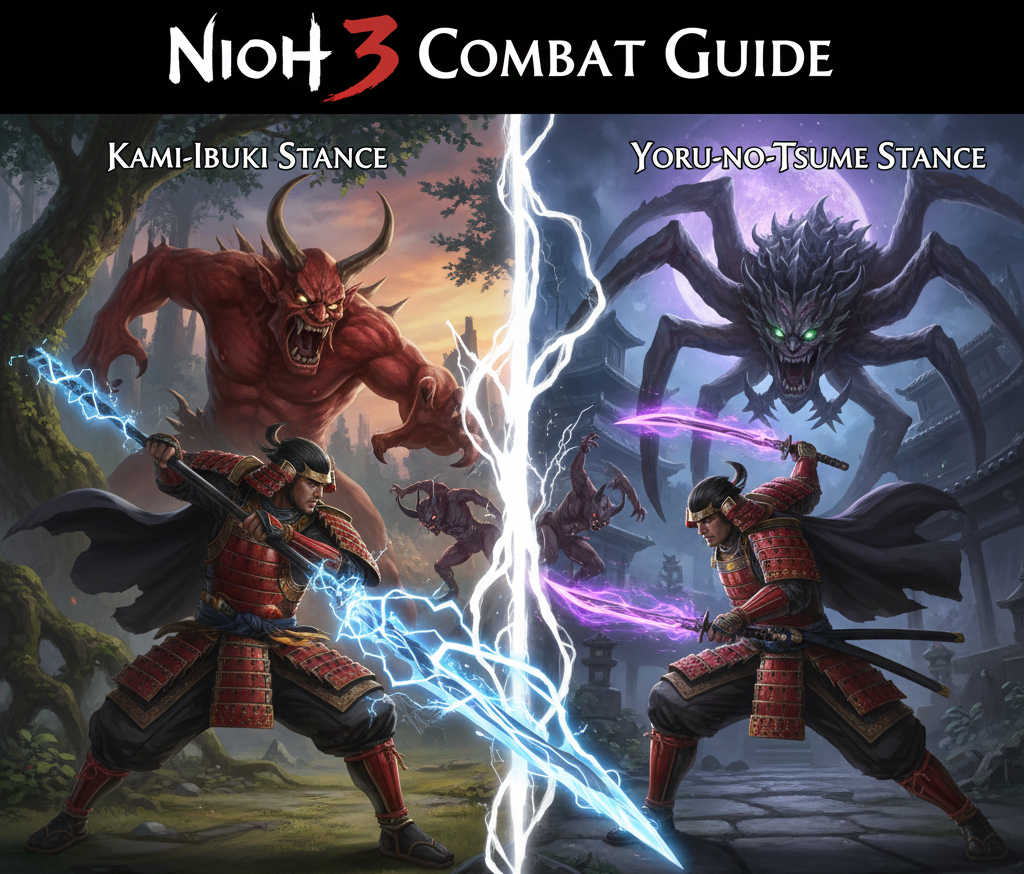
Team Ninja has always been known for deep, demanding combat systems, and with Nioh 3, the studio takes that philosophy even further. For veterans of the series, Nioh 3 feels familiar yet refreshingly dangerous. For newcomers, it’s a challenging but rewarding entry point into one of the most skill-focused action RPG franchises.
One of the biggest gameplay changes—and the topic many gamers are searching for—is the introduction of two new combat stances designed specifically to deal with the growing threat of Yokai. These stances don’t replace the classic High, Mid, and Low stances; instead, they expand the system, adding new layers of strategy, risk, and power.
This guide breaks everything down clearly: how the new stances work, when to use them, how they interact with Yokai enemies, and how to maximize damage without losing control of the battlefield.
Understanding Nioh 3’s Combat Philosophy
Before diving into the new stances, it’s important to understand what Nioh combat is really about. Nioh has never rewarded button-mashing. Every fight is about timing, positioning, Ki management, and adaptability.
In Nioh 3, this philosophy is amplified. Yokai enemies are more aggressive, smarter, and far less forgiving. They punish hesitation and greed—but they also expose weaknesses if you stay composed.
The new stances are built around this idea: high risk, high reward. Mastering them is optional, but players who learn them will gain a massive edge, especially against elite Yokai and bosses.
The Two New Stances: What’s Changed?
Nioh 3 introduces two Yokai-focused stances that sit alongside the traditional system:
-
Abyss Stance – A power-driven stance designed to break Yokai defenses
-
Veil Stance – A reactive, counter-focused stance built for survival and control
Each stance serves a distinct purpose and rewards different playstyles. Understanding when to switch between them is the key to mastering Nioh 3’s combat.
Abyss Stance: Pure Aggression and Yokai Destruction
Abyss Stance is all about offense. When activated, your attacks become heavier, slower, and significantly more damaging—especially against Yokai.
What Abyss Stance Does
-
Increases damage to Yokai armor and cores
-
Enhances Ki damage dealt to enemies
-
Unlocks stance-specific heavy attacks
-
Reduces enemy resistance to stagger
This stance is designed to break Yokai momentum. Many Yokai rely on relentless pressure and armor-based attacks. Abyss Stance allows you to interrupt that flow by crushing their Ki and forcing openings.
When to Use Abyss Stance
-
During Yokai burst windows
-
When a Yokai’s Ki is low
-
After successfully dodging a heavy attack
-
In short, controlled damage phases
Abyss Stance is not meant for extended combat. Its biggest drawback is high Ki consumption. Overusing it without proper Ki Pulse timing can leave you vulnerable.
Best Practices
-
Use Abyss Stance in short bursts
-
Always Ki Pulse after combos
-
Switch out immediately after breaking enemy Ki
Think of Abyss Stance as a hammer—not something you swing constantly, but something you use to end fights quickly.
Veil Stance: Control, Counters, and Survival
Veil Stance is the opposite of Abyss Stance. Instead of overpowering Yokai, it focuses on neutralizing them.
What Veil Stance Does
-
Improves dodge invincibility frames
-
Enhances counterattack damage
-
Reduces Ki damage taken
-
Slows Yokai attack chains after perfect evasion
Veil Stance rewards patience and precision. It’s ideal for learning enemy patterns and surviving extended encounters.
When to Use Veil Stance
-
Against fast, aggressive Yokai
-
During unfamiliar boss fights
-
When your Ki is low
-
In crowded encounters
Veil Stance allows you to stay alive while setting up opportunities for Abyss Stance damage later.
Best Practices
-
Focus on perfect dodges and counters
-
Use light attacks to test enemy reactions
-
Transition into Abyss Stance after successful counters
If Abyss Stance is about ending fights, Veil Stance is about earning that ending.
Stance Switching: The Real Skill Test
The true depth of Nioh 3’s combat comes from stance fluidity. Staying in one stance too long—especially the new ones—limits your potential.
High-level play involves:
-
Opening fights in Veil Stance
-
Reading Yokai attack patterns
-
Countering or dodging key moves
-
Switching to Abyss Stance for burst damage
-
Returning to Mid or Low stance for recovery
This rhythm keeps your Ki stable and your pressure consistent.
Gamers searching for “best stance combinations” should know this: there is no single best stance. Success comes from reading the fight and adapting constantly.
Maximizing Yokai Damage: Advanced Tips
To truly maximize damage against Yokai in Nioh 3, you need to combine stances with smart mechanics.
Exploit Ki Breaks
Yokai are most vulnerable when their Ki is depleted. Abyss Stance excels here. Save your hardest-hitting moves for these moments.
Use Yokai Abilities Wisely
Yokai abilities synergize well with stance switching. Trigger abilities right after breaking Ki to extend damage windows without draining your own stamina.
Don’t Ignore Classic Stances
High, Mid, and Low stances still matter. Use:
-
Low stance for mobility and safety
-
Mid stance for defense and consistency
-
High stance for raw damage when safe
The new stances enhance the system—they don’t replace it.
Common Mistakes to Avoid
Many players struggle with the new stances early on. Avoid these pitfalls:
-
Staying in Abyss Stance too long
-
Ignoring Ki Pulse timing
-
Forcing aggression against unfamiliar Yokai
-
Forgetting to switch stances mid-fight
Patience and discipline matter more than speed.
Is Nioh 3 Harder Because of the New Stances?
In a way, yes—but it’s a fair difficulty increase. The game gives you powerful tools, but demands mastery in return.
Players who embrace the stance system will find combat more expressive, strategic, and rewarding than ever before. Those who ignore it may struggle against late-game Yokai and bosses.
Final Thoughts
Nioh 3’s new stances represent a natural evolution of the series’ combat identity. Abyss Stance gives players the power to dismantle Yokai with precision and force, while Veil Stance offers the control and survivability needed to endure the game’s toughest encounters.
Together, they encourage smarter play, cleaner execution, and deeper engagement with enemy mechanics. Mastering them isn’t required—but doing so transforms Nioh 3 from a difficult action RPG into a deeply satisfying combat experience.
If you’re willing to learn, adapt, and push your skills, Nioh 3 rewards you with some of the most intense and fulfilling swordplay in modern gaming.